
- Home
- encyclopaedia ibiza
- Sustainability and responsible tourism in Ibiza
Your search results


April 9, 2026

Sustainability and responsible tourism in Ibiza
Published on April 9, 2026 by Neverland Properties
Is Ibiza a fragile ecosystem?
Ibiza is one of the most sensitive Mediterranean ecosystems in Europe. The Posidonia oceanica meadow surrounding the island is one of the main sources of oxygen in the Balearic Sea, filters the water that makes the Pityusic Mediterranean among the most transparent in the world, and stabilises the sandy seabeds that form its beaches. A single anchor can destroy several square metres of meadow in seconds. What nature took centuries to build can disappear in minutes. In 2006, a Posidonia colony estimated at one hundred thousand years old was discovered off the coast of Ibiza.
Read morePosidonia oceanica is not a seaweed but a flowering plant endemic to the Mediterranean. The accumulations of dry leaves that appear on the shore are not waste but a health indicator: their presence means the underwater meadow is alive. On some urban beaches such as Figueretas or En Bossa, the Posidonia is removed at the start of the season to make bathing easier and returned to the shore at the end, as it acts as a natural barrier protecting the sand from winter erosion. On beaches such as Es Cavallet, Posidonia remains in the water throughout the season. It is not dirt or a sign of neglect: it is nature. Some bathers may find it difficult to enter the water through it, but its presence is precisely the guarantee that the seabed is healthy.
Marine biologist and National Geographic Explorer Manu San Félix has spent over thirty years documenting the state of these meadows in the Pityuses. Arrived in the islands in 1992, he developed, together with the Ibiza Preservation Foundation, the Posidonia MAPS application, which allows boat skippers to locate safe anchoring areas in real time without damaging the underwater meadows. The foundation is the reference organisation for those who want to understand or support the conservation of the Ibizan marine ecosystem.
Does Ibiza have a water problem?
Yes. Ibiza has no rivers or large aquifers. The reference to the río of Santa Eulalia, the only watercourse in the Balearic Islands, illustrates this reality well: it flowed permanently until the mid-twentieth century, before intensive exploitation of the water table linked to the tourist boom reduced it to a trickle that now only appears after heavy rain. The island depends partly on desalinated water. During the peak summer months, when the island’s population multiplies, the capacity of the desalination plants can be stretched to its limits.
Read moreThe Alianza por el Agua is the reference organisation for sustainable water management in the Pityuses. It works on environmental education, tourist awareness through its annual campaign Enjoy the Island, Save Water, and on governance through the Pacto Insular del Agua. The drought of recent years has placed particular pressure on the agricultural sector, highlighting the real fragility of Ibiza’s water system.
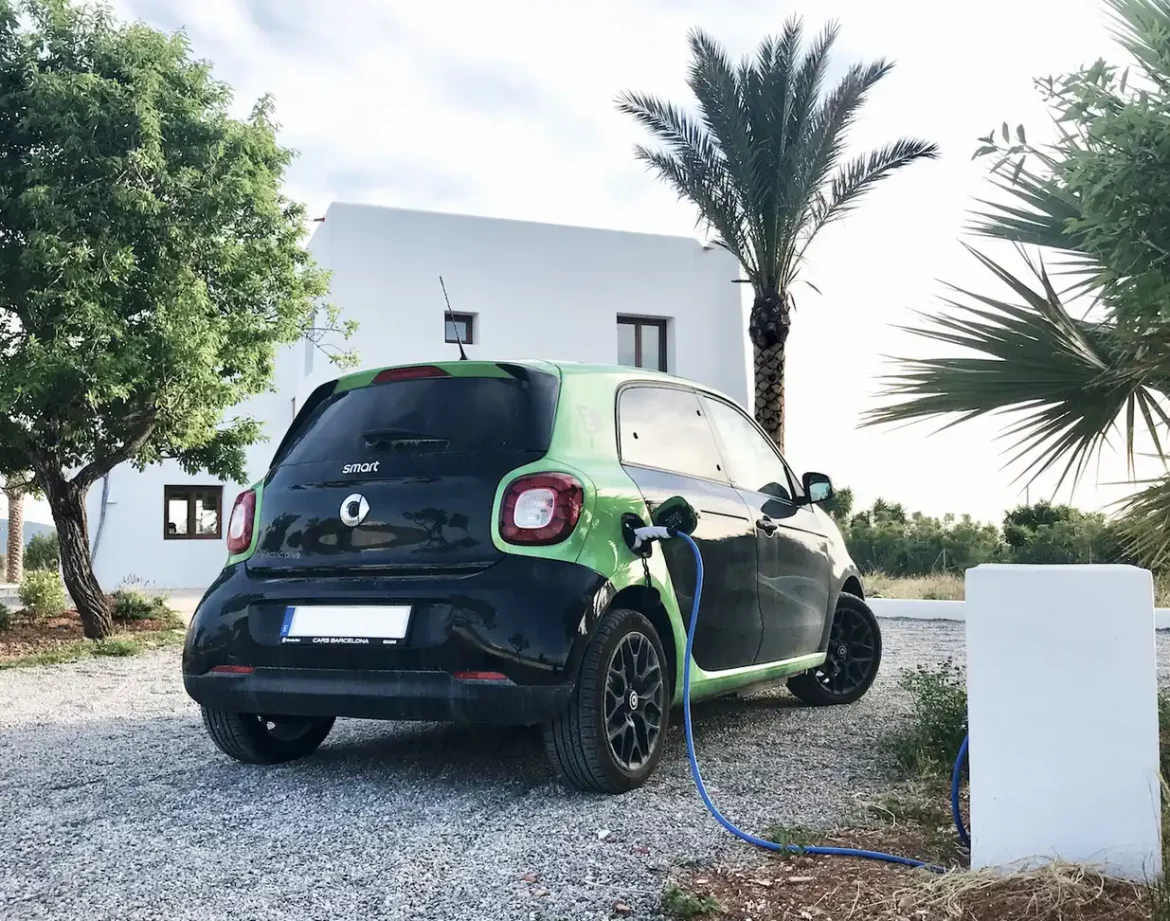
Traditional payesa farmhouses were built with cisterns and wells for collecting and storing water, a centuries-old system that remains functional in many of the island’s inland properties. Several villas in the Neverland portfolio retain their original cisterns. Some also have solar panels, rainwater recovery systems for irrigation and parking with electric vehicle charging points. In a luxury villa, pool use, garden irrigation and domestic consumption represent a significant volume for an island with scarce water resources. A few simple gestures make a real difference: limiting laundry to what is necessary and avoiding waste outdoors.
What does the island produce?
More than its international image suggests. Ibiza has a network of certified organic producers that supplies the island’s best restaurants and is currently going through a generational renewal. Terra Masia is the largest certified organic farm on the island, with 56 hectares in the interior of Santa Eulalia. It practises biodynamic farming following lunar cycles and produces vegetables, fruit trees, olive groves, vineyards, aromatic herbs and edible flowers.
Read moreCan Zol, on the road to San Lorenzo, has planted over eight thousand trees and cultivates grape varieties never before grown on the island. Can Puvil, in Sant Josep, was founded by Marina Cardona on abandoned family land and has organic wild asparagus as its star product, one of the few crops of this variety in the Balearics. Juntos Farm, with its farm in Santa Gertrudis and its restaurant in San Mateu, is a twenty-hectare regenerative farm that combines its own production, a seasonal restaurant and a local produce shop, and collaborates with sixteen farms across the Balearics. Ecofeixes is the cooperative that brings together the island’s certified organic farmers and distributes their products in local shops and through weekly home delivery boxes. The Sabores de Ibiza seal, promoted by the island’s Tourism Promotion Foundation, identifies restaurants committed to local and seasonal produce as the basis of their cooking.
Some villas keep this tradition alive within the property itself. La Finca has its own kitchen garden that in season produces vegetables and aromatic herbs for the villa’s kitchen. Can Sabina retains its fruit trees, a familiar presence in the landscape of traditional inland fincas.
What is Ibiza doing to protect its environment?
The Balearic Islands were pioneers in Spain and in Europe when, in 2021, they banned the sale, distribution and use of single-use plastics: disposable plates, cutlery, cups, trays and plastic straws may only be sold if they are compostable. Regulations also require new gardens to use native, low-water-consumption plants, limiting the use of lawns. The public transport fleet has been renewed with electric vehicles.
Read moreWaste collection follows a rigorous daily schedule and fines for non-compliance are significant. At Ibiza airport, in the baggage reclaim area, a short awareness video is shown to visitors from the moment they land. The Balearic tourist tax finances conservation and restoration projects across the islands. At the regular meetings of AVAT, the association of holiday rental properties in the Balearics, environmental awareness is part of the sector’s agenda.
The Ses Salines natural park, shared between Ibiza and Formentera, protects one of the most important wetlands in the western Mediterranean. Its historic salt pans, dunes and Posidonia seabeds are home to over two hundred catalogued bird species. The Balearic government does not grant tourist rental licences within its perimeter, making Ses Salines one of the few areas on the island where tourist residential use is effectively prohibited.
Can renting a luxury villa in Ibiza be a responsible choice?
Well-managed villa tourism has a lower per capita footprint than mass tourism: longer stays, greater autonomy within the property and spending oriented towards the local economy. It is not sustainable tourism in the strict sense, but it is better-managed tourism. Not anchoring over Posidonia meadows, not driving to coves with vehicle restrictions in summer, managing waste properly, switching off the air conditioning when doors or windows are open or when leaving a room, limiting laundry during the stay and buying from local producers are small decisions that make a real difference to the impact of a visit. The traveller who arrives in Ibiza with the attitude of a guest rather than a tourist finds a different island.
What is the Ibiza Preservation Foundation?
The Ibiza Preservation Foundation is a private foundation dedicated to the conservation of the natural environment of Ibiza and Formentera. It funds Posidonia meadow mapping projects, works with marine biologist Manu San Félix on underwater replanting programmes and has developed digital tools to reduce the damage caused by boat anchoring on the meadows. It is the reference organisation for businesses and individuals who want to actively contribute to the conservation of the Balearic marine ecosystem.
Are there organic farms in Ibiza where I can buy local produce?
Yes. The island has a network of certified organic producers including Terra Masia, Can Zol, Can Puvil and Juntos Farm, as well as the Ecofeixes cooperative, which distributes its members’ produce through local shops and weekly delivery boxes. Many of the island’s restaurants work with these producers and are identified by the Sabores de Ibiza seal.
Related entries in the Neverland Encyclopaedia:
Ibiza for Families with Children
The white walls that define what Ibiza has always been
A selection of farmhouses and traditional fincas rooted in the Ibicenco countryside.
The Ibiza full picture by Neverland
The destination
Areas and zones of Ibiza
Beaches and coves in Ibiza
Ibiza seasons: when to rent a luxury villa
Culture, history and authentic Ibiza
Planning your stay
Prices and budget guide
Booking, trust and legal matters
Concierge and Housepitality in Ibiza
Island life
Ibiza for families with children
Gastronomy in Ibiza
Wellness and wellbeing in Ibiza
Category: encyclopaedia ibiza